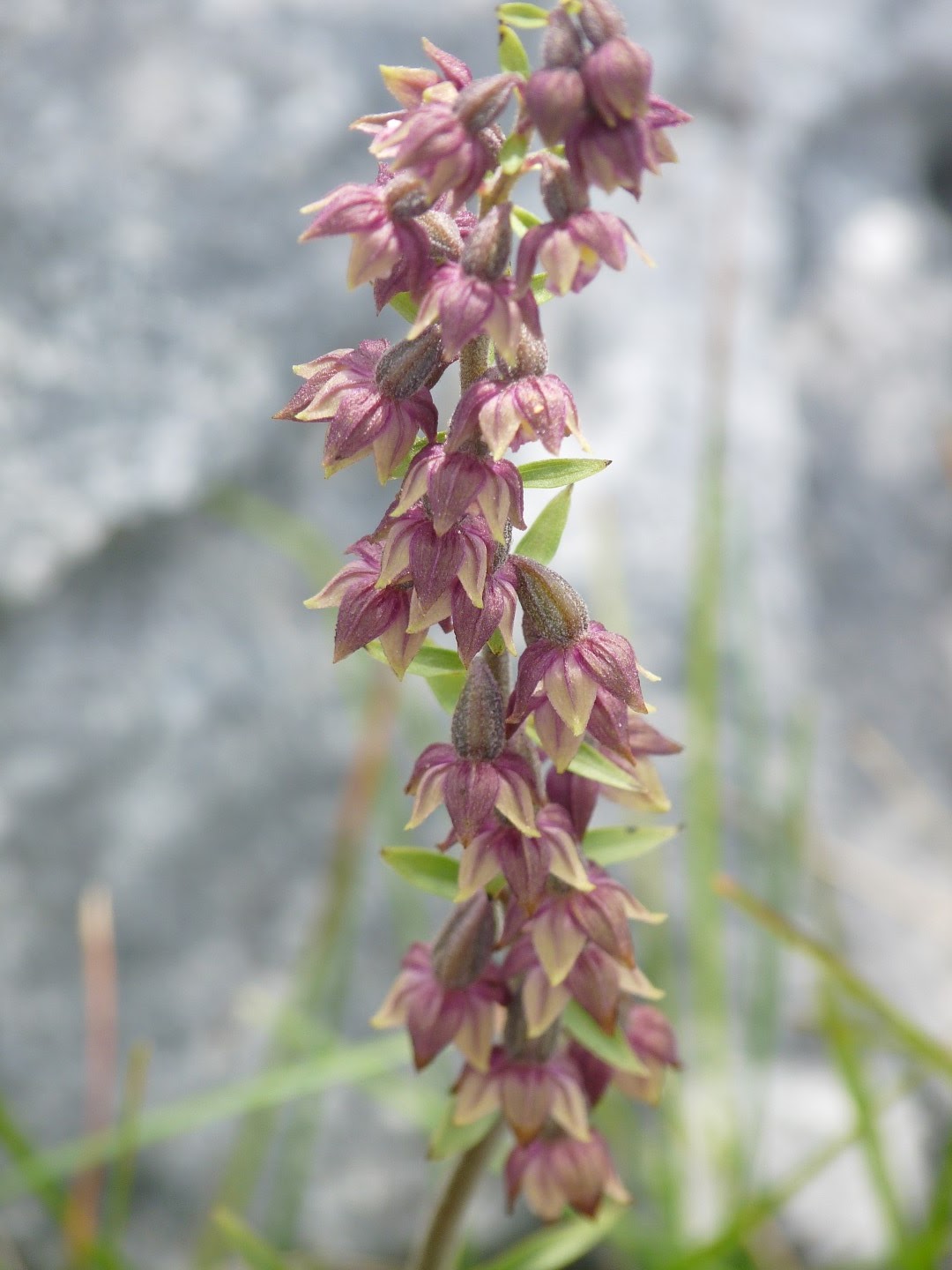
Register (includes histories were possible)
8a

9a or Pallens 2

9g
 9g very light green stemmed atroruben
Hutton Roof on 11th July 2020
 9g very light green stemmed atroruben
Hutton Roof on 11th July 2020
 9g very light green stemmed atroruben
Hutton Roof on 11th July 2020
9M
(Below) is 9M Epipactis atrorubens, which has now been on record for the past couple of years. This photo was taken on 17th June 2020

9N
(Below) is part of the 9s population. This photo was taken on 22nd June 2020.
History: 2020

9o

9q

8a

9a or Pallens 2

9g

Hutton Roof on 11th July 2020

Hutton Roof on 11th July 2020

Hutton Roof on 11th July 2020
9M
(Below) is 9M Epipactis atrorubens, which has now been on record for the past couple of years. This photo was taken on 17th June 2020

9N
(Below) is part of the 9s population. This photo was taken on 22nd June 2020.
History: 2020

9o

9q

(below)15h


17

Click over to enlarge
Photo: Hutton Roof on 8th July 2019
Specimen 17 showing flowers
17a Atroruben

17a1 Atroruben

17a1 atrorubens on 14th July 2020
17a2 Atroruben

17b Atroruben

17d (pmg) Atroruben - bicolor
(Below) is a beauty 17d which sadly has been caught out by black aphid and soldier ants.


17L (Atroruben)
(Below) Atrorubens 17L is a strong hyperchromic looking plant. Its approx 16" high with high volume of deep coloured flowers. Occasionally there are more less vigouress nearby. It always has large elongated leaves
History: at least annually since 2015, browsed off early July 2020

17w
History
2020

17x
(Below) 17x is a light green stemmed atroruben
Photo here July 2020

30

30a and b
These (below) are a beautiful duo which are within the range of two helleborines eg 3ft away, you can see it in the photo.

(Below) is long established Atrorubens bicolor with a lovely white/cream epichile and bosses. Photo taken on 26th June 2020 (Hutton Roof)

(Below) is a long established bicolor-duo which grows alongside No.33 under the close canopy of a hazel bush.
History:
at least since 2012

33C
(Below) 33C is a atrorubens- bicolor, it 10" tall and has 13 flowers/buds, it is only 2ft to SE away from 33 (bicolor) Also interesting this does have normal colour epichile and bosses whereby its neighbour shows a cream epichile. Photo taken on 19th June 2020.
History: at least since 2018

33h
(Below) is a atrorubens bicolor and lies immediately behind the hazel to the back of 33. It is a very special plant. The epichile is cream yet the bosses are red and therefore shows a sort of banding or white collar which is rare.
History:
at least 2017 and 2018
2020: Not showing

33i
(Below) a beautiful little plant, It is part of the 33 family which every year throws out these small light green examples.
History:
2020

33j

33k
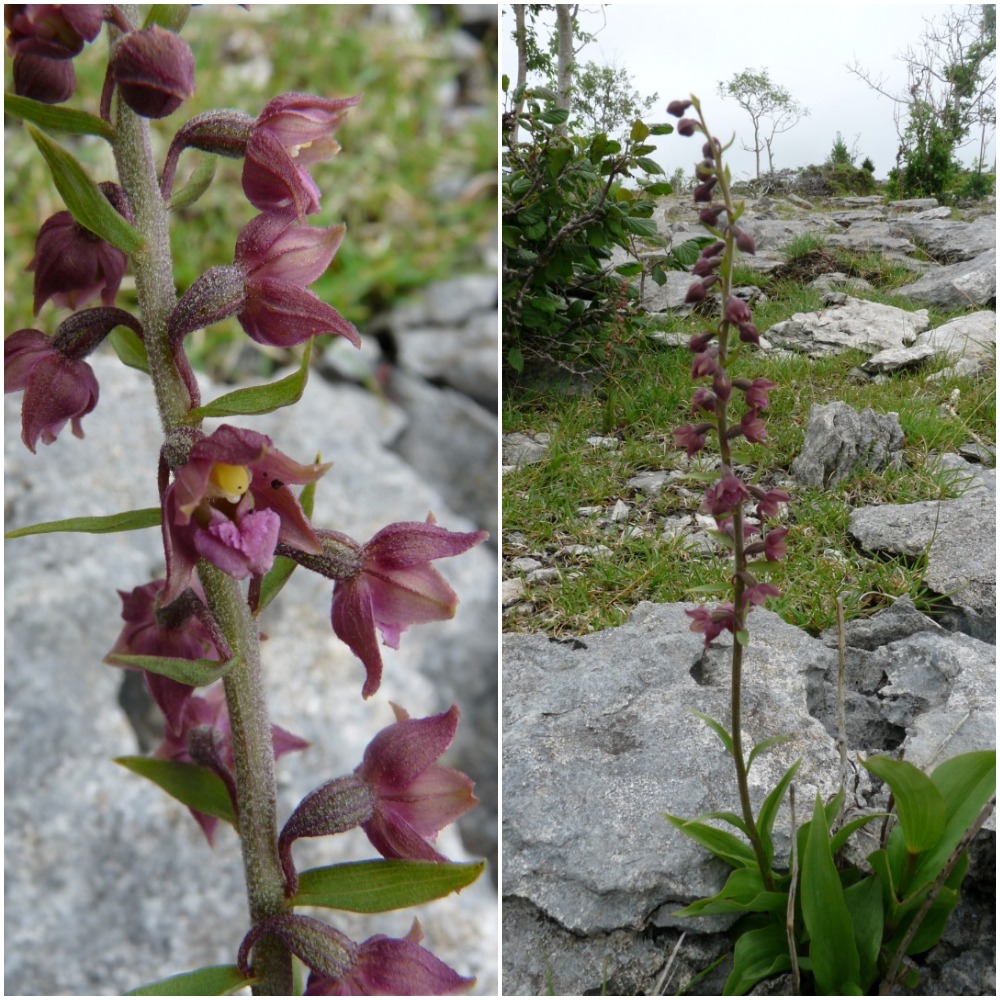
Photo: Hutton Roof on 30th June 2020
33n

Hutton Roof
33o
(below) shows 33o which sort of hides against the hazel to the left hand side of 33 twins (33a,33b). quite late in flowering

37a

Photo: Hutton Roof on 30th June 2020
38a
Below - 38a is a lovely mid-red similar to the surrounding specimens (3) Photo taken on 9th July 2020

40a and 40b
(Below) is 40A and 40B - Atrorubens Bicolor. 40A was a single plant from 2014 and came through as a tandem from 2016 it has suffered greatly with both predation and also drought problems. Photos here taken 26th July 2015 as a single plant (left) and 5th July 2017 as a duo (right)
History:
40a since 2013, 2014, and in 2015 20" high with 33 flowers. In 2016 was joined by 40b but predated (B.Hare) one day after full flowering. 2017 Both plants again predated on flowering. 2018 Both showing heavy budding on 28th May 2018 but stayed in mid growth and premature dieback on account of drought weather. In 2019 both again still suffering from last years drought and came through as seedling florets only with no inflorescence. In 2020 both seem to be doing fine and caged. 40b taken down by Brown Hare (through cage) although left OK 40a on 26th June 2020, although one week later and 40a also got browsed.

40C
(Below) is 40c a Epipactis atrorubens bicolour with very light epichile and bosses, It has come through now for several years and is always the very first plant of the year to show flowers. These photos were taken on the 19th June 2020

41

41a
(Below) found this little beauty hidden away at the bottom of a small hazel
History: 2020

41b

This plant (above) has a phenomenal inflorescence with 50 plus flowers, I do think looking at the build there could
well be some relation to the specimens 15s family
closeby.
55 (bicolor)


55a (bicolor)


55a1


55C (bicolor)
55c is a beautiful atrorubens bicolor which includes a very light epichile and bosses, also a deep red sepal with a pronounced vertical red midrib line on the lemon petal. Together with a superb bellsweep profile to tips of both petal and sepals.
well established - photo taken 26th June 2020.


Notel the similarity in colour toward the petal and sepal together with
its bellsweep profile. Closeby (within one metre) 55c
also shows the lovely bellsweep.

55L (bicolor)

Epipactis atrorubens var: bicolor Specimen 55L (Click over to enlarge)
Photo: 17th July 2019 - Hutton Roof
This photo shows the light coloured epichile and boss features55m

Hutton Roof on 2nd July 2020
55N (bicolor)
(Below) is 55N Atrorubens-bicolor which grows from out of the Juniper bush within the population 55. It lies approx 10ft from the main 55 plant and 12" N of the boulder stone. 14" tall. This photo was taken on 19th June 2020

55o (bicolor)

Specimen 55o1 (bicolor)
(20ft W of boulder stone
originally alba)

Photo: 13th July 2019 - Hutton Roof

Photo: 13th July 2019 - Hutton Roof

55q

Photo: Hutton Roof on 30th June 2020

Photo: Hutton Roof on 30th June 2020
55s (bicolor)

Hutton Roof on 30th June 2020
55t
(Below) Obviously related to 55s (shown above and living approx 10ft to N)

Hutton Roof on 2nd July 2020
55u (bicolor)
(Below) long established, very light green stemmed atroruben with possible introgression from E. Helleborine together with its bicolor flowers

Hutton Roof on 2nd July 2020
55v (bicolor)
(Below) 55v is a beauty and comes out from the Juniper close to all the other 55s. This plant does have wide and fluffy bosses almost filling

Photo: Hutton Roof 2nd July 2020
55w
found today 8th July 2020

55x
(Below) photo taken 8th July 2020

55y

Atrorubens 55y on 8th July 2020
66 Atroruben (bicolor)
(Below) 66 is so special, whos ancestor will be preserved within the records of KEW (Accession K000342484). Note bicolor YET on a light green stem!

70 and 70a Atroruben
(Below) is 70 and 70a very light green stemmed atrorubens with possible introgression from E. Helleborine. Yet the deep red flowers are certainly classic atrorubens looking. It is a annual plant which I have now watched for over 5 years, although 70a only joined about 3 years ago. What I like especially with this plant is the lovely bellsweep profile to the petals, I have never seen it just as pronounced as within this particular specimen. These photos were taken on 7th July 2017 (close up on left) and 10th July 2017 (duo). 70a fell victim to Brown Hare.
History:
First recorded back on 13th July 2016, In 2017 joined by 70 and both on flowering were predated by Brown Hare. 2019 both flowered OK. 2020 come through and doing OK. Early July 2020 70a fell victim to Hare but 70 all OK and shown in photo below.


Specimen 70a Epipactis atrorubens
on Hutton Roof 14th July 2020

Specimen 70a Epipactis atrorubens
on Hutton Roof 14th July 2020

71 atroruben (var bicolor)
(Below) is 71 an Atrorubens - bicolor. This specimen lies low, some 14" down within a limestone gryke, there is hybrid specimens within close proximity. Photo taken on 19th June 2020, On further inspection 2 days later 22nd June the plant had been predated by Brown Hare and all inflorescence removed. Although the plant was small mesh caged, the purpetrator managed to push his head down from the top and go inside of the cage.

75 (Atroruben)

80s population (atroruben)

Hutton Roof on 14th July 2020

Hutton Roof on 14th July 2020
80d

Escarp 7

Escarp 7a

Hutton Roof on 2nd July 2020
Escarp 7b
(Below) 7b a very interesting plant and from a interesting area which does have plenty of helleborines and plants thought to show introgression from helleborines close to hand.

Hutton Roof - 2nd July 2020

Escarp 8b

Escarp 8a atrorubens bicolor
Hutton Roof on 30th June 2020
Escarp 8d

Photo: 15th July 2020
Escarp 17
(Below) Escarp 17 is an Atrorubens-bicolor and is about 12" in height and comes up in tandem with Escarp 17a. Photo taken on 12th June 2020

Escarp 18
(Below) a lovely small example found in the Escarp 18 cul-de-sac. A bicolor and surrounded by many mixtures. Photo taken on 22nd June 2020

Escarp 18a

Escarp 18b and 18c (duo)
(Below) a lovely duo very light green stemmed atroruben with possible introgression from E. Helleborine

Photo: Hutton Roof on 30th June 2020
Escarp West brown 91
(Below) is a very interesting population and there are several in a small cluster that show this beautiful brown on the sepals. This is not unknown to me I also have others on the far side of the pavement probably some 500 yards to the SE.
Unusual.

Escarp West Brown 91a

Escarp West 92

Hutton Roof - 2nd July 2020
Escarp West 93

2nd July 2020
Escarp West 95 (twinned)

Escarp West 95a


Low Pavement 1
This is thought to be a possible hybrid (schmalhauseneii) with flowers to all sides of inflorescence, also leaves spiralling to stem, also the only atro-led looking plant amongst 7 closeby helleborines etc.

on 11th July 2020

on 11th July 2020

on 11th July 2020
Low Pavement 2

Pallens 2 (9a)
Pallens 3 (Escarp 8)
(Below) is our old Pallens 3 returned after two years absent.


Pallens 3a (escarp)


2nd July 2020
Pallens 4
(Below) is Pallens 4 on 26th June 2020 but later fell victim to Brown Hare.

Split
(Below) Atrorubens with a split stem abnormality. First one I have ever seen and interesting. Photo taken 18th July 2019, the same plant as come through normal for 2020

*******
South West Helleborine 1
(Below) SW Helleborine 1 beauty which was hi-vigour and approx one metre

on 28th July 2020

on 28th July 2020

on 28th July 2020
Helleborine SW2
(below) special twin with mid brown stem and ovary and pedicel

on 28th July 2020

on 28th July 2020

on 28th July 2020

on 28th July 2020

on 28th July 2020

on 28th July 2020

on 28th July 2020

on 28th July 2020
SW Helleborine 3
and now moving on to another beauty found today which shows variagated in petals, ovaries etc, but also it shows less in other nearby specimens.

28th July 2020

28th July 2020

28th July 2020

28th July 2020
SW Helleborine 4 (chlorantha)
Here is another little beauty I found today in the same little area as the two already
mentioned above. This was a really light specimen and for me it could represent a (nearly) chlorantha

28th July 2020

28th July 2020
SW Helleborine 4b
(Chlorantha)


30th July 2020
SW Helleborine 7


(Heart to Heart)

"Heart to Heart"
30th July 2020

"Heart to Heart"
30th July 2020
Below we have another pair with both E. Helleborine and E. Atrorubens within 6" of one another.

Purpurea SW 5

Purpurea SW5 on 31st July 2020

Purpurea SW5 on 31st July 2020
SW7 "Dark Tones"

Photo: 31st July 2020

Photo: 31st July 2020

Photo: 31st July 2020

Photo: 31st July 2020
Helleborine SW4

31st July 2020